Related Entry Models
1. Break of Structure (BoS) + Order Block (OB) Entry
Wait for a Break of Structure (BOS), then enter on a retest of the Order Block that caused the break.
Confluence: Break of market structure + Order Block in premium/discount zone.
2. Liquidity Sweep (LS) + OB Entry
Price sweeps equal highs/lows (external liquidity), then returns to an Order Block for entry.
Confluence: Sweep + Order Block + Fair Value Gap (FVG) or imbalance, often used together.
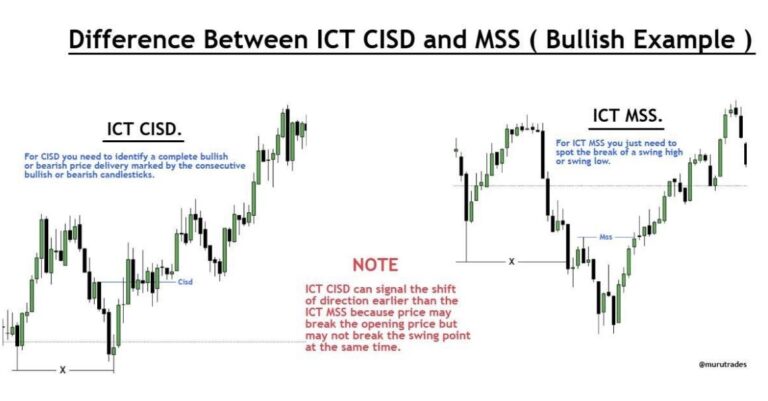
3. Market Structure Shift (MSS) or Change of Structure Entry
After a Liquidity Sweep, a change in internal structure confirms reversal.
Confluence: Liquidity Sweep → Market Structure Shift (MSS) → Return to Order Block or Fair Value Gap (FVG).
4. Fair Value Gap (FVG) Entry
After Break of Structure or Market Structure Shift, price returns to fill a Fair Value Gap (FVG) (imbalance) for entry.
Confluence: Use Order Block and Change of Structure for stronger setups.
5. Internal Liquidity Grab + Market Structure Shift + Order Block
Target internal range liquidity (e.g., pullbacks or small lows/highs) → look for Market Structure Shift → entry on Order Block.
Often used during consolidation or retracements.
6. Breaker Block Trading Entry
When an OB fails to hold and becomes a breaker block, reentry can be made on its mitigation.
Appears after stop hunts and structural breaks.
7. ICT Judas Swing Entry
Price creates a false move in one direction (liquidity grab) before reversing.
Timing: Often occurs during kill zones (e.g., London Open).
Confluence: Judas + Liquidity Sweep + Order Block or FVG.
8. ICT Silver Bullet Model
Involves entries within a 1-hour kill zone window, using sweep → Market Structure Shift → Order Block / FVG.
Highly time-based strategy.
9. Rejection Block Entry
Price rejects from an OB and creates a small consolidation. Entry on the rejection block.
Useful in low-volatility or tight-range scenarios.
10. Quasimodo (QM) Pattern
Classic reversal pattern with: Higher high (or lower low), Lower low (or higher high), then a new HH/LL.
Entry on retrace to Order Block or Fair Value Gap at the left shoulder zone.
11. Equilibrium Model
Use the 50% level of a dealing range (PD array) to define premium/discount.
Entry occurs when price returns to Order Block or Fair Value Gap in the right zone.
Refined Entry Techniques
Refined Order Block Entry: Refine entry to the last down/up candle that caused the Break of Structure / Change of Character.
Lower TF Confirmation Entry: Use a lower timeframe (e.g., 5m) Market Structure Shift and Order Block after the higher TF setup is confirmed.
Multi-Liquidity Grab Entry: Wait for multiple liquidity levels to be swept before Market Structure Shift / Order Block confirmation.
Entry Checklist (For Any Model)
To ensure A+ setups:
- HTF bias: Are you in premium/discount of a PD array or dealing range?
- Liquidity sweep: Was there a liquidity grab before a Market Structure Shift or Break of Structure?
 by
by