et-loader

ICT Unicorn Model

What makes the ICT Unicorn Model so effective is its ability to highlight key areas of future support or resistance, providing traders with a structured framework for entering and managing trades. By merging two...

ICT Unicorn Model

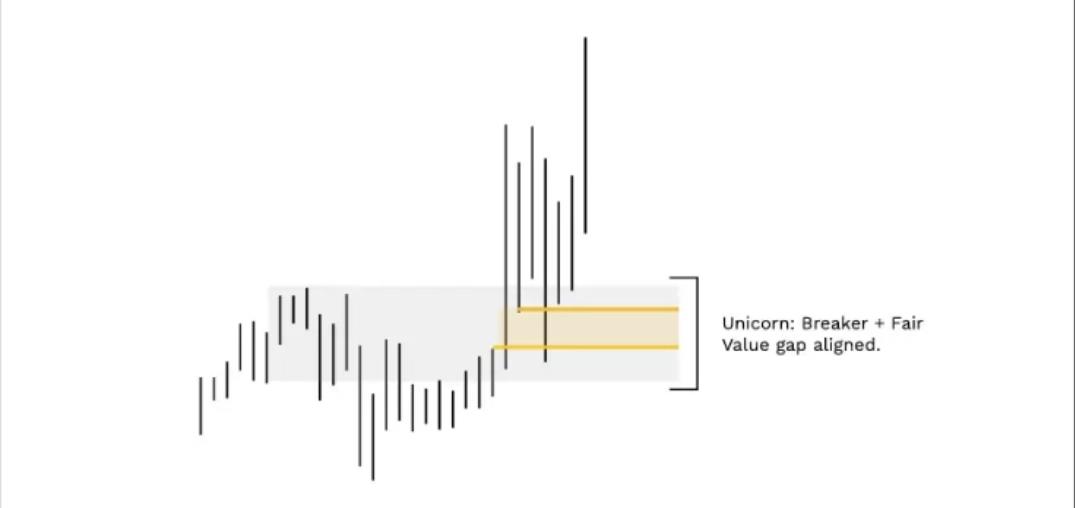
What makes the Unicorn Model ICT so effective is its ability to highlight key areas of future support or resistance, providing traders with a structured framework for entering and managing trades. By merging two powerful entry techniques – the Breaker Block Trading and the Fair Value Gap – it significantly enhances trade accuracy and risk management.

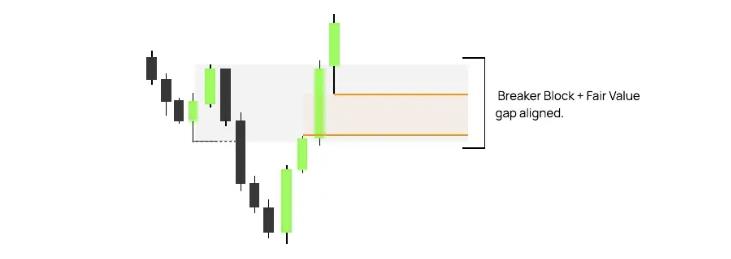
When these two elements overlap, they form what is known as the Unicorn Model ICT, a zone that signals a potential trend continuation.

This ICT Trading Model can be applied to any timeframe and any asset, making it universal. However, the probability of success can be increased by various factors, which will be explained later in the document.

Understanding the  Core Concepts of the Model

chart

Before fully grasping the Unicorn Model ICT, it is essential to understand its two key components:
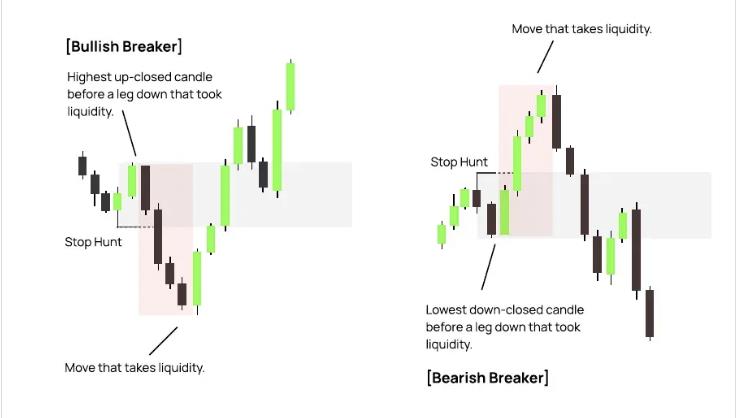
  • Breaker Blocks – These occur when there is a Liquidity Sweep above a key high or below a key low, followed by a strong market reversal. The area where this reversal started becomes a crucial support or resistance zone.
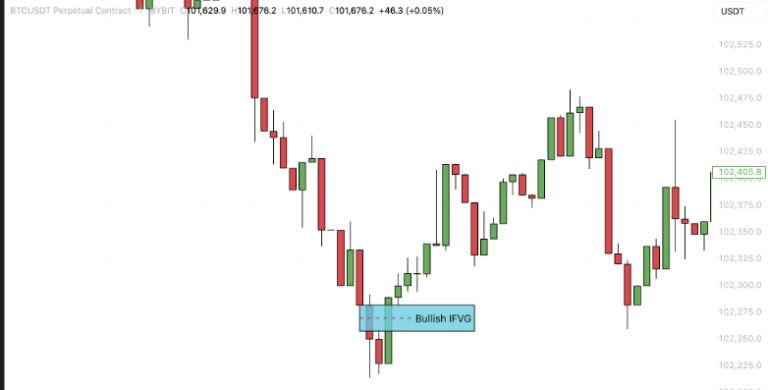
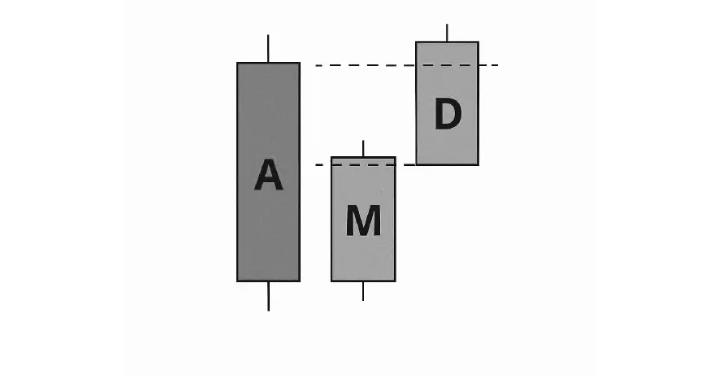
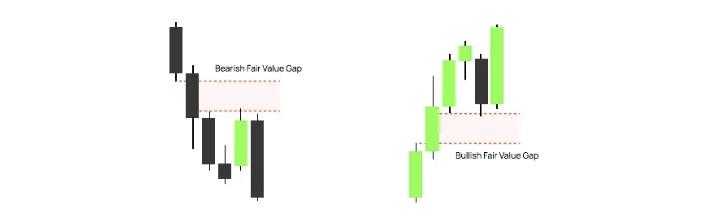
  • Fair Value Gaps (FVGs) – These represent price inefficiencies, often formed by a strong impulsive move, leaving a gap between candles. This gap frequently gets revisited, creating potential trade opportunities.

chart

When it comes to the ICT Unicorn Model, the Fair Value Gap must be aligned with the Breaker Block for it to be considered a Unicorn. If there is no FVG alignment with the Breaker Block, it is just not a Unicorn.

The Unicorn Model ICT Trading in Practice

In practice, the Unicorn Model can be spotted on any timeframe. However, it works best during volatile price movements. For this reason, the model is often used around the New York Open, as this event brings significant market volume.

But what is the best way to trade the model? Below are several steps that can be followed for a successful trade using the Unicorn Model.
chart

chart

  1. Determine your daily Draw on Liquidity. It is essential that the HTF bias is clear and that a logical Draw on Liquidity is present on the chart, which will serve as the trade’s target.
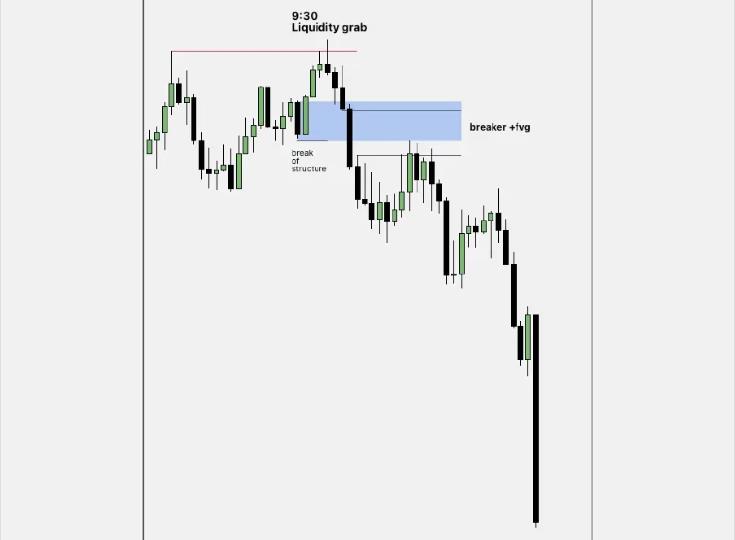
  2. Liquidity Grab. Wait for a liquidity grab, preferably during the New York Open. Institutions use this Liquidity Sweep to fill their positions before the “real” move is initiated.
  3. Break of Structure. After the manipulation has occurred, you want to see a break of structure. This break of structure should be strong, meaning there must be clear displacement in the price movement.
  4. The creation of the Fair Value Gap. Look for a Fair Value Gap (FVG) that has formed after the liquidity grab. This is a sign that price may return to this zone before the actual move begins.
  5. Breaker Block Trading. Identify the Breaker Block and make sure it aligns with the FVG. The price must return to this zone for a potential entry.

Get our Unicorn model ict pdf today for Free

Unicorn Model ICT Trading in Practice

This is a textbook example of anticipating shorts according to the Unicorn Model ICT Trading, where technicals and timing align. Of course, the model works exactly the opposite for longs.
chart

ICT Course

Learn ICT Trading in the right order

Structured modules from liquidity and market structure to live execution — no scattered videos, no fluff.

Stay ahead of the market

Get new ICT articles and setups every week

Join traders who are learning to read price through smart money concepts — one article at a time.

No spam. Unsubscribe any time.