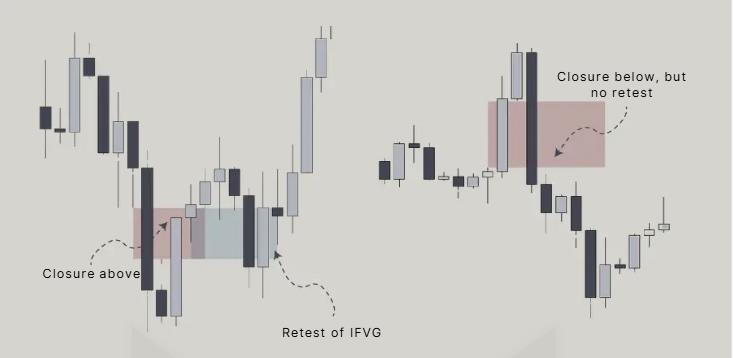
Fractalizing Candle Range Theory
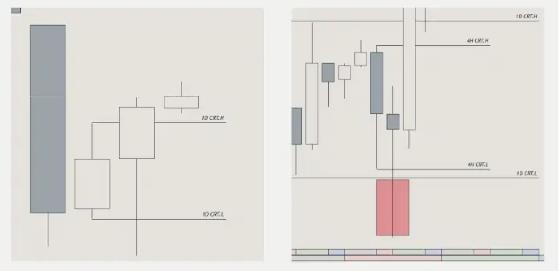
When using CRT Trading, it is important to find and understand what candle ranges to look for. We can use candles as a structure or "skeletonˮ to have a good understanding on what price wants to do, and when.
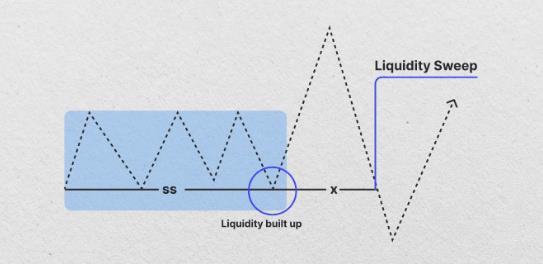
When you trade liquidity, you should focus on liquidity sweeps because they are one of the most important concepts in liquidity-based trading. To understand liquidity sweeps and the impact of liquidity in trading, you first need to understand liquidity zones.
Liquidity sweeps are false moves that appear to be breakouts but quickly reverse. In these situations, price briefly trades above or below a key level—such as a swing high or swing low—and then reverses sharply, trapping traders who entered on the breakout.
In ICT trading, traders use the concept of liquidity sweeps to understand how price behaves around key levels. In markets, one participant’s loss often becomes another participant’s gain. Because of this, larger players often target liquidity areas where retail traders place stop losses, triggering liquidity sweeps to take those stops before reversing price.
If you focus on liquidity and understand how liquidity sweeps form, you can avoid unnecessary trades and reduce the likelihood of getting caught in false breakouts.
Traders who use strategies such as ICT Trading, Smart Money Concepts, and Supply and Demand Trading focus on trading within key zones like Fair Value Gaps, Order Blocks, and Supply & Demand areas. Join our mentorship today to learn how to trade like banks.
In a supply zone, price often moves through the level to trigger stop losses. This creates a surge of buying pressure known as a bear trap. Shortly after, price reverses sharply downward.
Conversely, price may dip through a demand zone to hit stops. This generates selling pressure, creating a bull trap before the price reverses upward.
These sweeps catalyze significant price movements. Savvy traders capitalize on these moves by identifying key liquidity areas early.
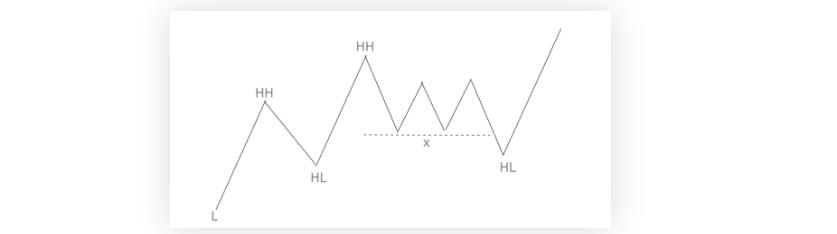
In supply and demand zones, liquidity sweeps trigger significant price movements that traders can potentially capitalize on by correctly identifying key liquidity areas.
However, not every move is a liquidity sweep. Careful analysis is still required before entering a trade.
The goal of studying liquidity sweeps is to understand broader market direction. It helps traders interpret price behavior and identify higher-quality setups.
To use liquidity sweeps effectively, traders must study liquidity in depth. This includes liquidity accumulation, order flow, and different types of liquidity.
These concepts are interconnected. With practice, they become easier to recognize in real market conditions.
Developing this knowledge through structured learning or mentorship can help traders improve their understanding of market behavior and progress toward more consistent trading results.
Free. No signals, no recommendations.
 by
by